

Newborn Hair Care: A Gentle Guide to Your Baby’s First Tresses
You find yourself leaning close in the quiet of the nursery, watching the afternoon light dance across the silken, downy fuzz of your baby's head. It is a moment of profound stillness, yet it often brings a whisper of uncertainty. You might wonder if that tiny patch of dryness is cradle cap, or feel a surge of protectiveness when your hand nears the delicate soft spot. Mastering newborn hair care is far more than a simple bath time task; it is a rhythmic ritual of protection and sensory connection that requires the softest touch.
We understand the weight of these small moments and the desire to surround your infant with only the purest care. This guide will help you nurture your newborn's delicate scalp with an intentional routine that balances safety with deep affection. You'll gain a clear understanding of safe washing frequencies and learn which ingredients, such as intentionally added PFAS or specific fragrance allergens, to avoid under the 2026 safety standards. We will explore how to choose gentle, natural tools that turn grooming into a soothing experience, giving you the confidence to care for those first precious tresses with grace.
Key Takeaways
- Understand the unique fragility of your infant's hair and why a minimalist approach protects their highly absorbent scalp.
- Discover a "less is more" routine for newborn hair care that prioritizes proper water temperature and infrequent washing to maintain natural balance.
- Learn how to select grooming tools made from natural materials to prevent breakage and provide a soothing sensory experience.
- Gain the confidence to manage common concerns like cradle cap using gentle, non-invasive techniques that prioritize your baby's comfort.
- Explore how to turn simple grooming into a rhythmic bonding ritual that supports your baby's nervous system and encourages peaceful rest.
Understanding the Delicate Nature of Newborn Hair and Scalp
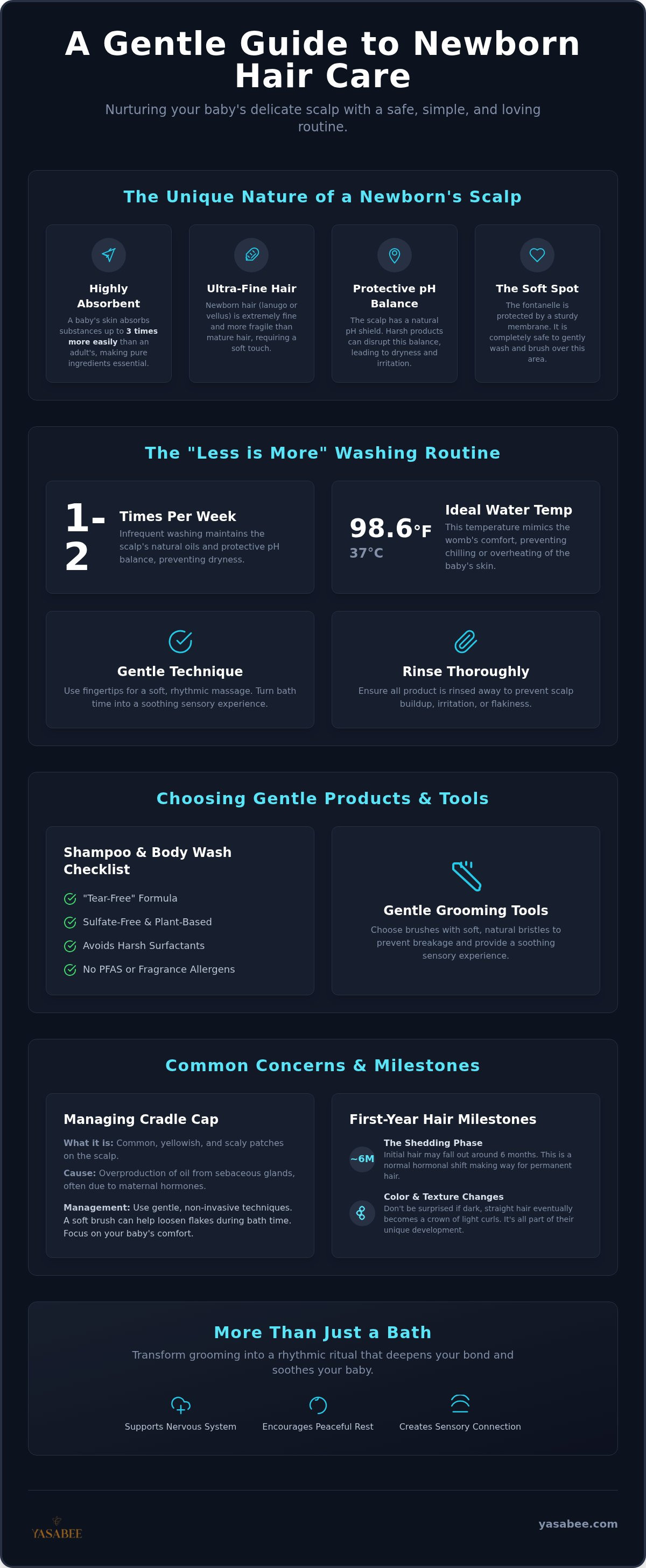
The first few months of your baby's life are a season of incredible transformation, beginning with the very crown of their head. Newborn hair is often characterized by lanugo, a fine, downy fuzz that may be present at birth, or vellus hair, which is significantly finer and more fragile than the hair we carry as adults. Because these first tresses are so delicate, a thoughtful approach to newborn hair care is essential to protect the integrity of the hair and the health of the skin beneath it.
A newborn’s scalp is far more than just a surface; it is a highly absorbent and living barrier. Research indicates that baby skin absorbs substances up to three times more easily than adult skin, making the choice of topical treatments a matter of safety and intention. The scalp also maintains a specific pH balance that acts as a protective shield against environmental stressors. When this balance is disrupted by harsh products or over-washing, the skin can become prone to dryness and irritation.
Many parents feel a natural hesitation when approaching the fontanelle, or the soft spot on a baby’s head. While it feels incredibly vulnerable, this area is protected by a sturdy membrane. It's entirely safe to gently wash and brush over the fontanelle, provided you use a light, rhythmic touch. In fact, keeping this area clean helps manage the activity of the sebaceous glands. These glands sometimes overproduce oil due to lingering maternal hormones, which can lead to the common, yellowish scales known as cradle cap.
Why Newborn Scalps Require Special Care
The skin barrier of an infant is still maturing, which results in higher permeability and a greater risk of moisture loss. Traditional adult cleansers often contain harsh surfactants that strip away essential lipids. To maintain scalp health, it's vital to use formulations that are less irritating to the eyes and the skin. Choosing pure, minimalist ingredients supports early hair follicle development and ensures the scalp remains a healthy foundation for future growth.
Common Newborn Hair Milestones
It's common for parents to notice significant changes in their infant's appearance during the first year. You might see a "shedding" phase around six months of age, where the hair your baby was born with begins to fall out to make room for more permanent strands. This is a natural hormonal shift. It's a natural transition. During this time, the color and texture can change dramatically; a baby born with dark, straight hair may eventually develop a crown of golden curls. These growth patterns are unique to every child and reflect the beautiful, unfolding nature of their development.
The "Less is More" Approach to Washing Newborn Hair
In the early weeks of parenthood, it's tempting to incorporate a full hair wash into every bath. However, the secret to maintaining the natural oils of a pristine scalp lies in restraint. For most infants, cleansing the hair just one to two times per week is sufficient to keep them fresh without causing dryness. This minimalist approach respects the delicate pH balance of the skin, allowing the scalp's natural defenses to remain intact while preventing over-stimulation of the oil glands. Effective newborn hair care is as much about what you don't do as what you do.
When you choose to wash those first tresses, the environment should feel like a warm embrace. Ensure the bath water is a soothing 98.6°F (37°C). This specific temperature mimics the womb's comfort and prevents the skin from becoming chilled or overheated. Use your fingertips or a very soft washcloth to perform a gentle, rhythmic massage across the scalp. This isn't just about cleanliness; it's a sensory conversation between you and your child. Always finish with a thorough rinse. Residual product can lead to buildup, which may irritate the skin or contribute to unwanted flakiness over time.
Choosing a Gentle Baby Shampoo & Body Wash
Selecting the right formula is a foundational step in your newborn hair care routine. You should look for "tear-free" and sulfate-free labels, which ensure the experience remains peaceful for both eyes and skin. Plant-based ingredients offer a purity that synthetic fragrances simply cannot match. A sophisticated, 2-in-1 formula like Yasabee Baby Shampoo & Body Wash simplifies the ritual, allowing you to focus on the emotional connection rather than juggling multiple bottles. These gentle formulations often align with newborn hair growth tips that emphasize scalp health as the primary driver for future hair quality.
Step-by-Step Bathing Ritual
Begin by securely supporting your baby's head and neck, keeping them nestled and safe throughout the process. As you apply a small amount of cleanser, focus on the scalp with light, circular motions that encourage relaxation. Use a small cup for controlled rinsing, carefully shielding their eyes to maintain the calm atmosphere you've created. Once the ritual is complete, avoid the urge to rub the hair dry. Instead, use a plush, high-quality towel to gently pat the moisture away. This protects the fragile hair shafts from breakage and ensures the experience feels like a moment of quiet luxury for your little one.
Choosing the Right Tools: Why Natural Materials Matter
While the bath sets a foundation of cleanliness, the tools you choose for daily grooming define the sensory atmosphere of your nursery. Many commercial options rely on synthetic plastic bristles, but these can often create static and friction against fragile strands. In contrast, natural materials like goat hair and polished wood offer a whisper-soft alternative that respects the delicate nature of newborn hair care. By selecting tools crafted from the earth, you ensure that every stroke is a gesture of protection rather than a source of irritation.
Natural bristles are uniquely suited for an infant's scalp because they mimic the softness of a parent's touch. Unlike nylon, which can be stiff and scratchy, goat hair gently smooths the hair while stimulating the scalp without the risk of micro-scratches. The wooden handles provide a functional benefit as well. Wood carries a natural warmth and a reassuring weight that plastic cannot replicate. It feels substantial in your hand, allowing for a steady, controlled movement as you navigate the sensitive areas around the fontanelle. This choice isn't just about aesthetics; it's about a commitment to a high standard of care that values sustainability and intentionality in every detail of the nursery.
The Benefits of a Wooden Brush & Comb Set
A thoughtful grooming kit serves multiple purposes as your baby develops. The soft brush is an essential tool for distributing the scalp's natural oils, which helps to maintain hydration and prevent the dryness discussed in earlier sections. For babies with more significant growth or thicker textures, a wooden comb offers a snag-free way to detangle. The Yasabee Wooden Brush & Comb Set provides this premium, tactile experience, combining traditional craftsmanship with the needs of modern families. Using these natural tools helps to calm the nervous system, turning a simple grooming task into a deeply restorative bonding ritual.
Safety and Maintenance of Grooming Tools
To ensure your tools remain safe and effective, they require a small amount of mindful maintenance. Natural bristles should be cleaned with a slightly damp cloth or a drop of gentle cleanser, but you should avoid soaking the wooden handles in water to prevent warping. It's also vital to regularly inspect the wood for any signs of wear. Ensure the surface remains perfectly smooth so that no rough edges ever come into contact with your baby's skin. By storing these items in a dry, clean place, you preserve their quality and longevity, ensuring they remain a reliable part of your newborn hair care routine throughout the first year and beyond.
Managing Cradle Cap and Scalp Sensitivity
As you settle into your newborn hair care routine, you might notice small, yellowish, or oily scales appearing on your baby's scalp. This common condition, known as cradle cap, is often a result of overactive sebaceous glands rather than a lack of cleanliness. While these patches can look concerning to a new parent, they are harmless and usually resolve with a patient, gentle approach. It's a natural part of infancy that responds beautifully to a touch of quiet luxury and intentional care.
The most effective way to manage these flakes is through the "oil and brush" method. This technique involves softening the scales before they are gently lifted away during a bath. It's crucial to remember that you should never pick, scrape, or forcefully remove these scales with your fingernails or a stiff comb. Doing so can cause unnecessary redness, irritation, or even small breaks in the skin that invite infection. Instead, rely on the rhythmic motion of a soft brush to do the work, preserving the integrity of the delicate skin barrier while keeping your baby calm.
While most cases of cradle cap are mild and temporary, you should observe the area closely. If the scalp appears significantly red, starts to ooze, or if the patches spread to the face and neck, it's time to consult your pediatrician. They can provide reassurance or suggest a more specialized treatment if the sensitivity persists beyond standard home care. For most families, a consistent and soft touch is all that's required to maintain a healthy, silken scalp.
A Gentle Routine for Flaky Scalps
To begin this soothing process, apply a small amount of Yasabee Baby Lotion or a pure, natural oil to the affected areas about 15 to 20 minutes before bath time. This allows the moisture to penetrate and loosen the scales effectively. Once the oil has done its work, use the soft goat hair brush from your Yasabee Wooden Brush & Comb Set in slow, circular motions. This motion lifts the scales without scratching the scalp. Finish the ritual by washing with a gentle cleanser to remove the excess oil, ensuring the pores remain clear and healthy.
Preventative Care for Sensitive Skin
Maintaining a consistent, non-aggressive brushing routine is the best way to prevent future buildup. Daily brushing with a soft-bristled tool stimulates blood flow and evenly distributes natural oils across the scalp. You should also be mindful of your baby's environment. Avoid heavy, non-breathable hats that can trap heat and sweat, as this warmth can encourage oil overproduction. Finally, prioritize a fragrance-free or naturally scented environment. With the 2026 regulations requiring stricter disclosure of fragrance allergens, choosing pure, minimalist products ensures your baby's sensitive system isn't overwhelmed by synthetic irritants.
Creating a Nurturing Grooming Ritual
Beyond the functional needs of cleansing and protection, newborn hair care offers a profound opportunity for emotional resonance. When you frame grooming as a moment of quiet luxury, you transform a simple task into a sanctuary of peace for both yourself and your child. This is a time to slow down, leaving the hurried pace of the day behind to focus entirely on the tiny person in your arms. By approaching these moments with intentionality, you build a foundation of trust and security that your baby will carry with them as they grow.
The power of touch is a central element of this experience. A gentle, rhythmic brushing session does more than just tidy silken strands; it actively stimulates the infant's developing nervous system. This tactile interaction encourages the release of oxytocin, often referred to as the bonding hormone, which helps to lower stress and promote a sense of well-being. Incorporating a soft brushing routine into your evening wind-down creates a soothing transition from the activity of the day to the stillness of the night. This predictable rhythm often aids in better sleep patterns, as the baby learns to associate the feel of the natural bristles with the comfort of rest.
To create a truly cohesive environment, many parents choose to integrate the Yasabee Luxury Collection Baby Gift Set into their nursery. Having a dedicated, beautiful set of tools ensures that you're always prepared for these moments of connection. When your environment reflects the high standards of care you provide, the ritual feels even more special. It's about more than just the products; it's about the atmosphere of love and quality you curate for your family's most precious member.
Bonding Through Sensory Experience
During the grooming process, your baby is learning about the world through their senses. The rhythmic sound of the brush and the warmth of your hands create a melodic experience that acts as a calming signal. This is the perfect time to make soft eye contact and speak in low, melodic tones. These small interactions strengthen your bond and help your baby feel seen and cherished. Using a dedicated gift set makes these daily occurrences feel like a celebrated event rather than a chore, elevating the ordinary into the extraordinary.
The Gift of Quality
Investing in premium tools is a thoughtful choice for any new parent who values a clean and intentional nursery. By choosing items crafted with craftsmanship and natural beauty, you're prioritizing the delicate nature of your baby's skin and hair. These tools become the heart of a mindful care routine that avoids the harshness of modern mass production. As you navigate the first year, trust your intuition and the power of your gentle touch. You're the best curator of your baby's comfort, and with the right approach, every moment of newborn hair care becomes a cherished memory in the making.
Embracing the Ritual of Gentle Care
Nurturing your baby's first tresses is an act of deep affection and quiet protection. You now have the knowledge to approach washing with a minimalist mindset, ensuring the scalp's delicate balance remains undisturbed. By choosing tools that respect the fragility of these early months, you transform routine maintenance into a sensory bonding experience that supports your infant's well-being. Mastering newborn hair care is about trusting your intuition while using the safest, most refined tools available. Every stroke of a soft brush is a whisper of comfort, helping to manage common concerns like cradle cap while preparing your little one for a peaceful rest.
Discover the Gentle Touch of the Yasabee Wooden Brush & Comb Set. Crafted from natural materials for the ultimate gentleness, these tools are a centerpiece of our curated Luxury Collection and are designed specifically for the most sensitive newborn scalps. May these quiet moments in the nursery become some of your most cherished memories as you navigate this beautiful first year together.
Frequently Asked Questions
Is it safe to brush a newborn’s hair every day?
Yes, it is entirely safe and even encouraged to brush your baby's hair every day using a soft, natural tool. This rhythmic ritual stimulates the scalp's blood flow and helps distribute natural oils across the hair shafts. Using a goat hair brush ensures the experience is whisper-soft. It serves as a beautiful moment of connection that calms the nervous system before a nap or bedtime.
What is the best way to get rid of cradle cap naturally?
The most effective natural approach involves softening the scales with moisture before a gentle removal. Apply a small amount of Yasabee Baby Lotion to the scalp for about 20 minutes. Then, use a soft brush in light, circular motions to lift the flakes. This method respects the skin barrier. It avoids the redness and irritation caused by more aggressive picking or scraping techniques.
Can I use regular adult shampoo on my baby if it’s just a little bit?
It is best to avoid adult shampoos, even in small amounts, because their pH levels are not designed for an infant's skin. Adult formulas often contain stronger surfactants that strip away essential moisture. A newborn's scalp is highly absorbent; therefore, using a dedicated tear-free cleanser is essential. Yasabee Baby Shampoo & Body Wash provides the gentle, balanced care required to protect those first fragile tresses.
Why is my newborn losing their hair in patches?
Patchy hair loss is a common milestone that usually occurs as your baby's birth hair makes way for permanent strands. This shedding often happens around six months due to natural hormonal shifts. You may also notice thinning on the back of the head from friction against the mattress. This is temporary. Healthy growth will return as your baby becomes more mobile and their follicles mature.
What ingredients should I absolutely avoid in baby hair products?
You should absolutely avoid intentionally added PFAS, sulfates, and synthetic fragrances. Under 2026 regulations in states like Maine and Vermont, PFAS are prohibited in cosmetics due to potential health risks. Since baby skin absorbs substances three times faster than adult skin, purity is paramount. Choose minimalist formulas that disclose all fragrance allergens to ensure your infant's delicate system remains undisturbed by hidden chemicals.
When is the best time of day to wash a baby’s hair?
Integrating washing into an unhurried evening ritual is often the most soothing choice for families. This predictable rhythm helps your baby transition into a restful night. Ensure the water is exactly 98.6°F to mirror the warmth of the womb. Consistent newborn hair care during the bedtime hour creates a peaceful sensory signal that it is time for sleep; however, ensure your baby is not overly tired.
Do I need to brush my baby’s hair if they are born bald?
Even if your baby is born with little to no hair, daily brushing remains a valuable part of their care. Brushing the scalp helps clear away dead skin cells and prevents the buildup of oils that can lead to cradle cap. It also provides a soothing sensory experience that aids in bonding. This gentle stimulation supports the healthy development of hair follicles for the future.
How do I clean a wooden baby brush set?
Maintaining your Yasabee Wooden Brush & Comb Set requires a delicate touch to preserve the natural materials. Use a slightly damp cloth to wipe the bristles, but never soak the wooden handles in water. This prevents warping and ensures the craftsmanship lasts. Always allow the brush to air dry completely in a well-ventilated space with the bristles facing down before its next use.